Global Flavors Moroccan Chicken Tagine
Highlighted under: Flavors of the World
Global Flavors Moroccan Chicken Tagine
Global Flavors Moroccan Chicken Tagine
Global Flavors Moroccan Chicken Tagine
Mastering the Tagine Technique
Cooking in a tagine requires an understanding of low and slow heat. If you're using a traditional tagine, start on a medium flame to bring up the temperature of the base, then reduce to low once you add the chicken and spices. This gentle cooking allows the flavors to meld beautifully and the chicken to become incredibly tender, usually after about 45-60 minutes. Keep an eye on the sauce to prevent burning; if it looks too thick, add a splash of chicken broth or water to maintain moisture.
When layering ingredients in your tagine, the order matters. Begin with onions and spices at the base, as they’ll create a flavorful foundation. Then, layer the chicken on top, followed by any vegetables. This ensures that the steam rises and penetrates all layers, enhancing flavor. If you don’t have a tagine, a Dutch oven works well too, though you'll want to monitor it more closely to avoid overcooking.
Key Ingredients and Their Roles
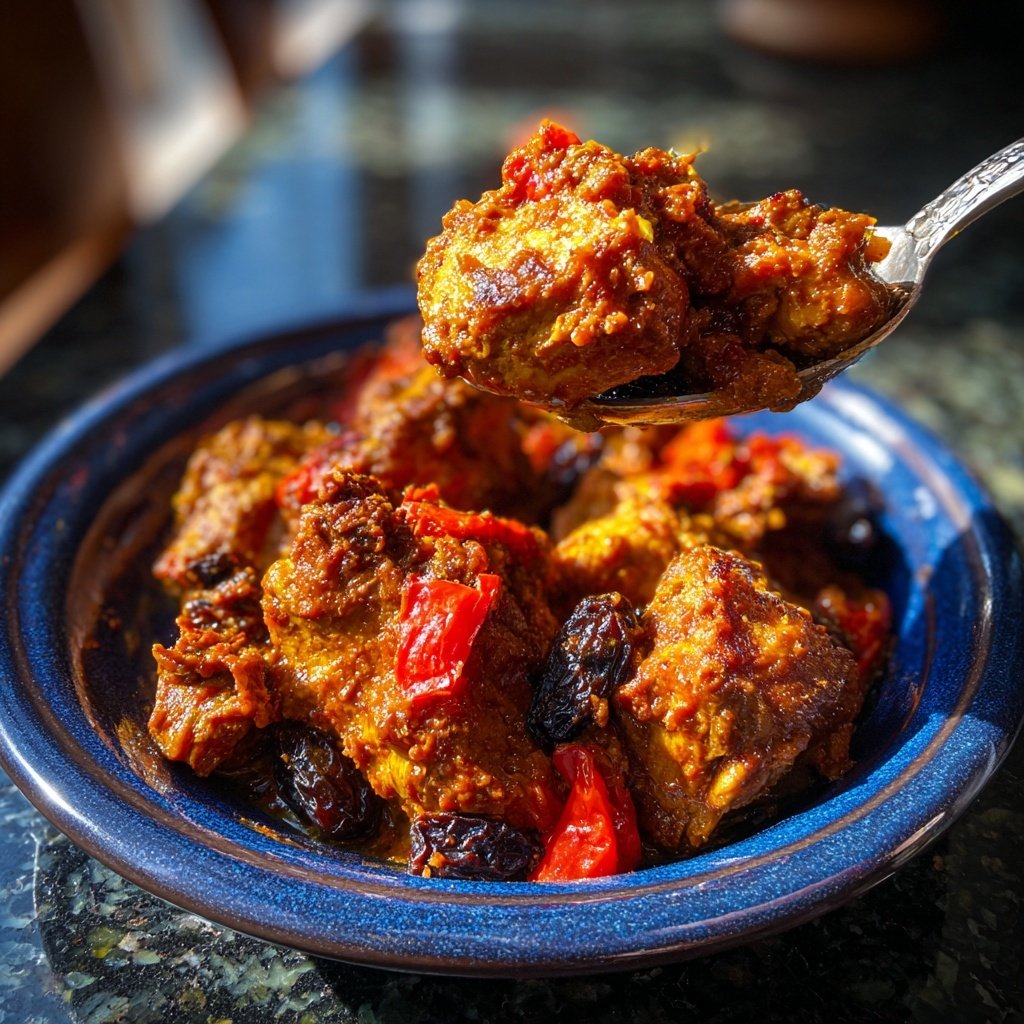
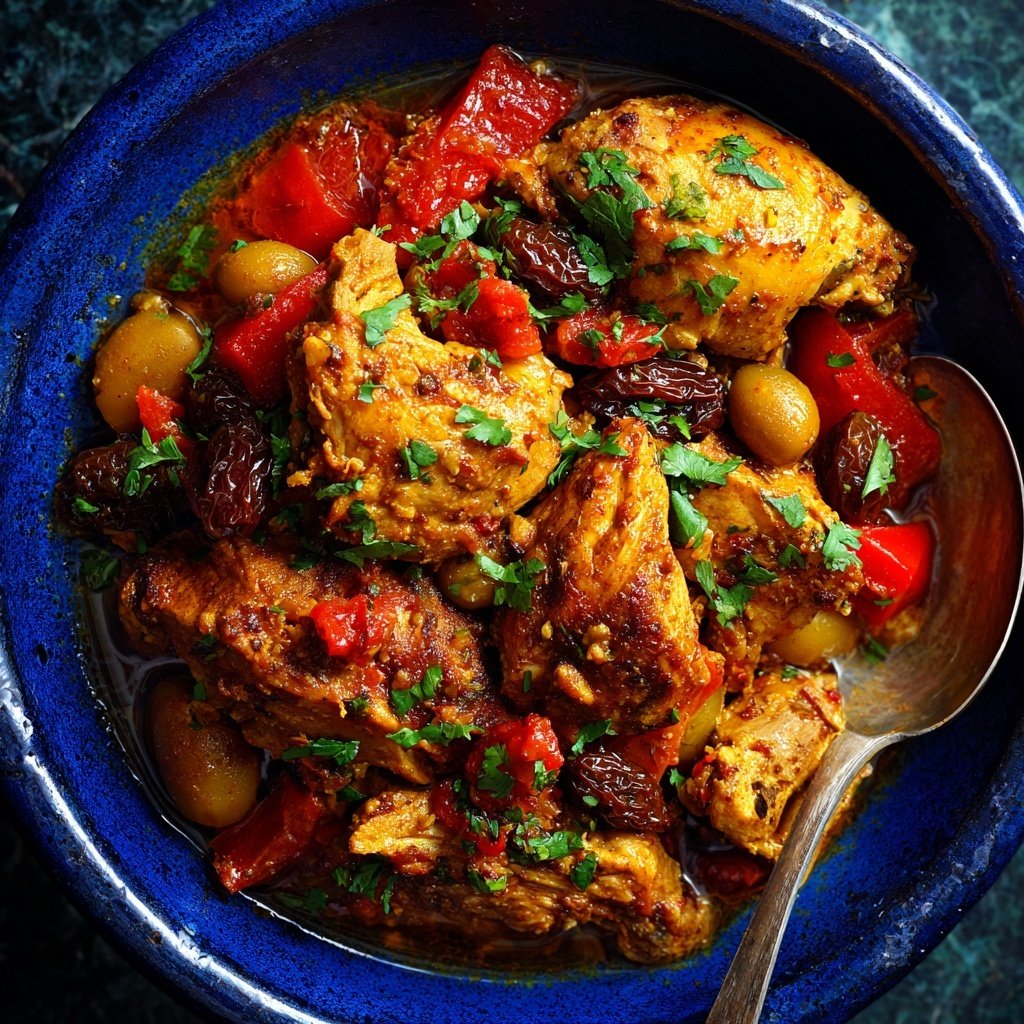
The spices you use in Moroccan Chicken Tagine are essential for achieving that authentic flavor. A mix of cumin, coriander, cinnamon, and turmeric not only provides warmth but also depth. Fresh herbs like cilantro and parsley add brightness at the end, so they should be stirred in just before serving. If some spices aren't available, consider using a pre-mixed Moroccan spice blend, which can be found in most grocery stores.
Don’t underestimate the importance of the chicken. Thighs are preferred here over breasts due to their higher fat content, which keeps them moist and flavorful during the long cooking process. If you're looking for a lighter option, opt for skinless chicken thighs, but be sure to adjust cooking time to ensure they don’t dry out. Alternatively, bone-in chicken wings can add a delicious richness if you want to experiment.
Serving and Storing Tips
Moroccan Chicken Tagine is traditionally served with couscous or crusty bread to soak up the rich sauce. For a refreshing side, consider a simple cucumber and tomato salad dressed with olive oil and lemon juice. This balances the warmth of the spices with a cool crunch, enhancing your meal experience. You can also garnish with toasted almonds or sesame seeds for added texture and flavor.
If you're preparing this dish ahead of time, it keeps well in the fridge for up to three days. The flavors deepen as it sits, making leftovers even more delicious. When reheating, do so gently on the stove over low heat to avoid drying out the chicken. For longer storage, you can freeze portions for up to three months. However, I recommend storing the chicken and sauce separately from any sides to maintain texture.
Common Troubleshooting
If your tagine isn't producing enough steam, check that you’re using enough liquid. The sauce should be saucy but not soupy; if it feels too dry, add broth gradually. Conversely, if it’s too watery, let it simmer uncovered for a while to reduce and thicken.
An overly salty dish can happen if your broth was already seasoned. If you taste the sauce and it’s too salty, adding a small amount of grated potato or some sugar can help balance the flavor. Alternatively, a splash of vinegar can counteract the saltiness by providing acidity.
Dietary Adjustments
This Moroccan Chicken Tagine is easily adaptable for a variety of dietary needs. For a gluten-free version, serve it over quinoa or brown rice instead of couscous. If you need a vegetarian substitute, replace the chicken with hearty vegetables like eggplant or mushrooms, adjusting cooking times as necessary since they cook faster than chicken.
If you’re watching your fat intake, consider using skinless chicken thighs or even lean cuts of beef. You might also add more vegetables, such as carrots and bell peppers, to bulk up the dish while keeping it nutritious and low in calories.